

Greenery bedroom ideas work best when you use plants and green decor to make the room calmer, not fuller. Start with one statement plant, good light, and clear surfaces. Then add green color, natural materials, and a simple care routine that fits your real schedule.
If your bedroom feels bare, busy, or hard to relax in, greenery can help without a full makeover. You do not need a jungle. You need the right plants in the right spots, plus a few green decor choices that stay fresh even when you do not want to water anything.
This guide shows how to do that. You will get plant picks for low light, small spaces, and pet homes, green decor ideas, shelf and renter friendly ideas, and a simple weekend setup plan.
What is a greenery bedroom?
A greenery bedroom is a bedroom that uses plants, green color, and natural materials to feel calm and lived in. It is not about filling every corner. It is about using green as a design choice, the way you would use light or texture.
There are two kinds of greenery, and good rooms use both. Live plants bring shape, movement, and a small daily ritual. Green decor, such as paint, bedding, art, and textiles, gives you color and mood without care. If you mix them well, the room still looks green when a plant is resting or moved for winter light.
How do you start a greenery bedroom without making it cluttered?
Start with three rules. One statement plant, light first, and one clear surface. These rules keep the room calm and make care easy.
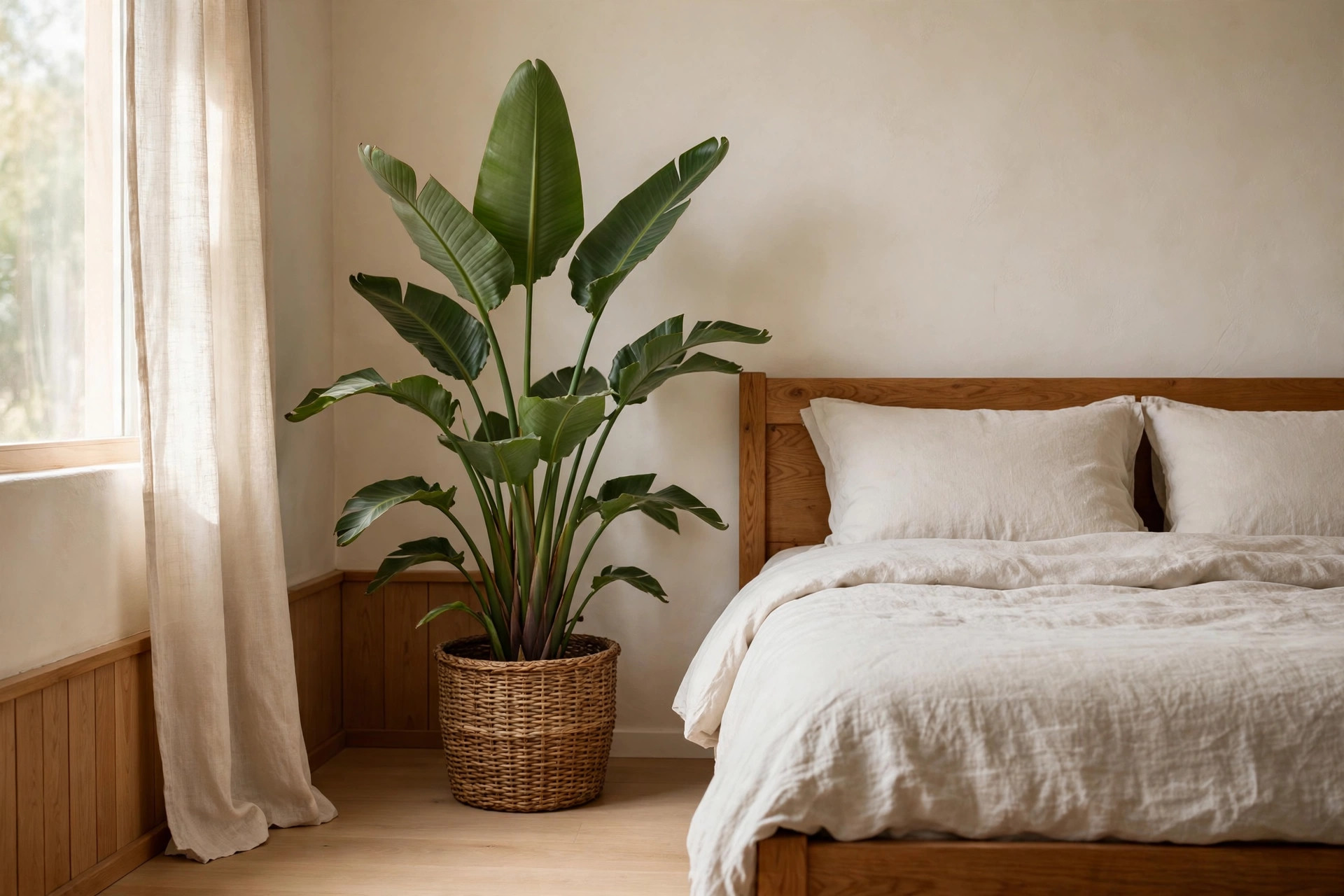
First, choose one statement plant. A statement plant is one larger plant that anchors the room. It can sit beside the bed, next to a dresser, or in an empty corner. One large plant looks calmer than six small pots scattered around.
Second, check light before you buy. Stand in the spot where you want the plant in the morning, at midday, and in the late afternoon. Note if the spot gets direct sun, bright indirect light, or low light. Buy a plant that matches that light. Most bedroom plant problems come from the wrong light, not the wrong plant.
Third, keep one surface clear. Leave your nightstand or one shelf top mostly clear, with only one small plant or one book. A clear surface makes the room feel restful, and it gives you space to water and wipe leaves without moving ten things.
Which bedroom plants actually survive?
The best bedroom plants are the ones that match your light, your schedule, and your pets. A beautiful plant that needs daily care will not stay beautiful if you travel, work long hours, or forget to water. Choose for your real life, not for a perfect routine.
Below are reliable picks for common bedroom conditions. Check the plant label at the shop, and keep the care tag for the first month. If a plant is toxic to pets, keep it out of reach or choose a safer option.
Snake plant
Snake plant is good for low to bright light and for people who forget to water. Let the soil dry between waterings. It grows upright, so it fits narrow gaps beside a bed or dresser. It is toxic if eaten, so keep it away from pets that chew leaves.
Pothos
Pothos is a trailing plant that works on a shelf, in a hanging planter, or on top of a wardrobe. It likes bright indirect light, but it tolerates lower light. Water when the top soil feels dry. It is toxic if eaten, so keep trails out of pet reach.
Spider plant
Spider plant is one of the safer choices for pet homes. It likes bright indirect light and regular watering, but it is forgiving if you miss a day. It makes small baby plants on long stems, which you can pot and share.
ZZ plant
ZZ plant is a good pick for low light and dry rooms. It stores water in its stems, so it needs less frequent watering. Let the soil dry well between waterings. It is toxic if eaten, so place it where pets will not chew it.
Peace lily
Peace lily likes bright indirect light and steady moisture. Its leaves droop when it needs water, then recover after watering. It has white flowers in good light. It is mildly toxic to pets if eaten, so place it out of reach if you have cats or dogs that chew plants.
Lavender and jasmine
Lavender and jasmine are scent plants, not everyday bedroom plants for most people. They need bright light and good airflow, which many bedrooms do not have. If you love scent, try a small pot on a bright windowsill, or use dried lavender in a sachet. Do not keep a strong scent right beside your pillow if it bothers your sleep.
What is the difference between live plants and green decor?
Live plants need light, water, and care. Green decor gives you the color and mood of green without care. Both are useful, and you should plan for both.
Green decor includes paint, bedding, curtains, rugs, art, and small objects. A sage green pillow, a green throw, or one framed botanical print can make a room feel green even if you own only two live plants. This helps in winter, in low light rooms, or when you travel.
Use green decor for large areas, such as bedding, and live plants for focal points, such as one shelf and one corner.
If you want the warm, wood-and-clay side of that palette, see our guide to earthy bedroom ideas.
How do you add greenery to a small bedroom?
Small bedrooms need vertical greenery, not floor greenery. Use the wall, the shelf, and the window. Keep the floor clear for walking, storage, and making the bed.
Start with one hanging plant or one shelf plant. A trailing pothos on a high shelf draws the eye up. A small spider plant near a window uses space that would otherwise stay empty.
If you share a small bedroom, keep care simple. Choose two or three plants that need the same kind of care, so you do not have to remember different schedules. Place them where both people can walk past without brushing leaves. For layout ideas that make room for two people, see our guide to small bedroom ideas.
Storage and greenery should work together. A plant shelf can hold a plant, a book, and a small basket, so it is both decor and storage. For more storage ideas that leave room for plants, see small bedroom storage ideas. If surfaces keep getting cluttered, our guide to small bedroom organization ideas shows how to keep clear surfaces that make plants look better.
Renters can use greenery without damage. Use tension rods, adhesive hooks rated for the weight, leaning shelves, and plant stands. Avoid drilling unless your lease allows it. If you live in an apartment with limited light or space, see small apartment bedroom ideas for layouts that keep the room open.
What works for low light and winter bedrooms?
Low light bedrooms can still have greenery, but you need to choose plants that tolerate low light and adjust care in winter. Low light means soft, indirect light, not direct sun.
Snake plant, ZZ plant, and pothos are good low light choices. They grow more slowly in low light, so they need less water. In winter, heating dries the air, but light is lower, so growth slows. Check soil with your finger before watering, rather than watering on a fixed schedule.
Move plants closer to the window in winter, but keep leaves away from cold glass and hot radiators. If a plant drops a few leaves, it may be adjusting to lower light. Give it time.
Warm low light helps the room feel cozy. Use a warm white bulb, 2700K, with a dimmer if you can, and place a plant near the lamp for mood.

Can greenery help you sleep better?
Greenery can support better sleep by making the room calmer and by supporting a simple evening routine. It does not cure insomnia, and no plant can replace good sleep habits, medical care, or a dark, quiet, cool room.
What greenery does well is reduce visual noise. A tidy room with a few plants, clear surfaces, and soft light feels easier to wind down in than a room with piles and clutter.
Plants can give you a small evening ritual. Checking soil or watering one plant can be a calm break. Keep it to two to three minutes.
Scent is personal. Lavender may feel calming to one person and too strong to another. If you want scent, try a dried lavender sachet, not a strong diffuser beside your pillow.
For sleep, focus on the basics. A dark, cool room, a consistent bedtime, and a phone put away before bed help more than any plant.
How do you style a plant shelf?
A plant shelf works when it has three layers, plants, books or objects, and empty space. Empty space is not wasted. It lets each plant breathe and makes the shelf look calm.
Start with one trailing plant at one end, one upright plant at the other end, and one small object or book in the middle. Leave one third of the shelf empty. If the shelf looks full, remove one item.
Use pots in the same color family. Wood, white, and sage green work well together. Use a tray under pots, and water plants in the sink when you can. For more layouts, see our guide to plant shelf ideas.

What mistakes should you avoid?
Most greenery bedroom mistakes come from adding too much, too fast. Avoid these five common problems.
- Too many small pots. Six small pots on a nightstand look messy and are hard to water. Use one larger plant instead.
- Wrong light. A plant that needs bright light will not thrive in a dark corner. Match the plant to the light you have.
- No drainage. Pots without drainage holes hold water and rot roots. Use pots with holes and a tray.
- Plants in the walkway. A plant that blocks a path will get knocked over. Keep walkways clear, especially in small bedrooms.
- Too much scent. Strong scent beside the pillow can bother sleep. Keep scent light and away from the bed.
If a plant is struggling, check light and water first. Move it to better light, and do not add fertilizer right away.
Frequently asked questions
How many plants should I put in a bedroom?
Start with one to three plants. One statement plant, plus one or two small plants on a shelf or nightstand, is enough for most bedrooms. Add more only if you have light, space, and time to care for them.
What is the easiest bedroom plant for beginners?
Snake plant and ZZ plant are good beginner choices. They tolerate low light and need less frequent watering. Let the soil dry between waterings, and keep them in pots with drainage holes.
Are bedroom plants safe for pets?
Some plants are safe, some are toxic if eaten. Spider plant is often a safer choice for pet homes. Snake plant, pothos, ZZ plant, and peace lily are toxic if eaten. If your pet chews leaves, keep toxic plants out of reach or choose pet friendly options, and check with your vet if your pet eats a plant.
Do bedroom plants need direct sunlight?
Most bedroom plants prefer bright indirect light, not direct sun. Direct sun through a window can scorch leaves. A bright spot near a window, with sheer curtains or a little distance from the glass, is often ideal.
How do I make a bedroom feel green without live plants?
Use green decor. Sage green bedding, a green throw, green curtains, botanical art, and natural materials like wood and linen can make the room feel green. You can mix one or two low care plants with green decor to keep the look without daily care.
What should I do if my bedroom has very low light?
Choose low light plants such as snake plant, ZZ plant, or pothos. Move plants closer to the window in winter, keep watering light, and use green decor to add color where plants will not grow. If a spot has almost no natural light, use green decor there instead of a live plant.
How to set up your greenery bedroom in a weekend
Use this simple plan to set up your greenery bedroom without a big project. You need about two hours, plus a shopping trip or online order.
- Step 1. Clear and measure. Clear one shelf and one corner. Measure the light in those spots in the morning and afternoon. Take a photo of the room so you can see what feels cluttered.
- Step 2. Pick your plants. Choose one statement plant for the corner and one trailing or small plant for the shelf. Match each plant to the light you measured. Buy pots with drainage holes and trays.
- Step 3. Add green decor. Add one green layer, such as a sage green throw, pillow covers, or one botanical print. Keep the rest of the bedding neutral so the green stands out.
- Step 4. Style the shelf. Place the trailing plant at one end, one book or object in the middle, and leave one third of the shelf empty. Keep the nightstand mostly clear.
- Step 5. Set a care routine. Check soil once a week. Water only when the top soil feels dry. Wipe leaves once a month. Move plants closer to light in winter if needed.
Live with the room for two weeks. If a plant is not happy, move it to better light. If the room feels full, remove one item.
Final takeaway
A greenery bedroom is not about owning many plants. It is about choosing a few plants and green decor pieces that fit your light, your space, and your routine. Start with one statement plant, keep surfaces clear, and use green decor to carry the color when plants need rest. With those choices, your bedroom can feel calm, fresh, and easy to care for all year.
For more bedroom ideas, explore Fern Havenly at fernhavenly.com. You will find small bedroom layouts, storage and organization ideas, and plant shelf inspiration to build on this guide.

5 Comments
[…] statement plant changes a whole room, so start with the greenery bedroom guide to pick plants by your […]
[…] one plant moment still needs the right plant for your light, so pick it with the low-light bedroom plants guide before you place it in a dim corner. A plant matched to your light stays healthy with little […]
[…] plant placement that does not add clutter, including common mistakes and a weekend setup, see greenery bedroom ideas. For shelf placement that saves floor space, see plant shelf ideas. This post does not repeat plant […]
[…] For plant placement that does not add clutter, including common mistakes and a weekend setup, see greenery bedroom ideas. For color that does not add clutter, such as bedding or one object in fewer colors with more […]
[…] short and simple. One statement or shelf plant is enough. For full picks and care, see our guide to greenery bedroom ideas. If you do not want live plants, use sage bedding or botanical art […]