
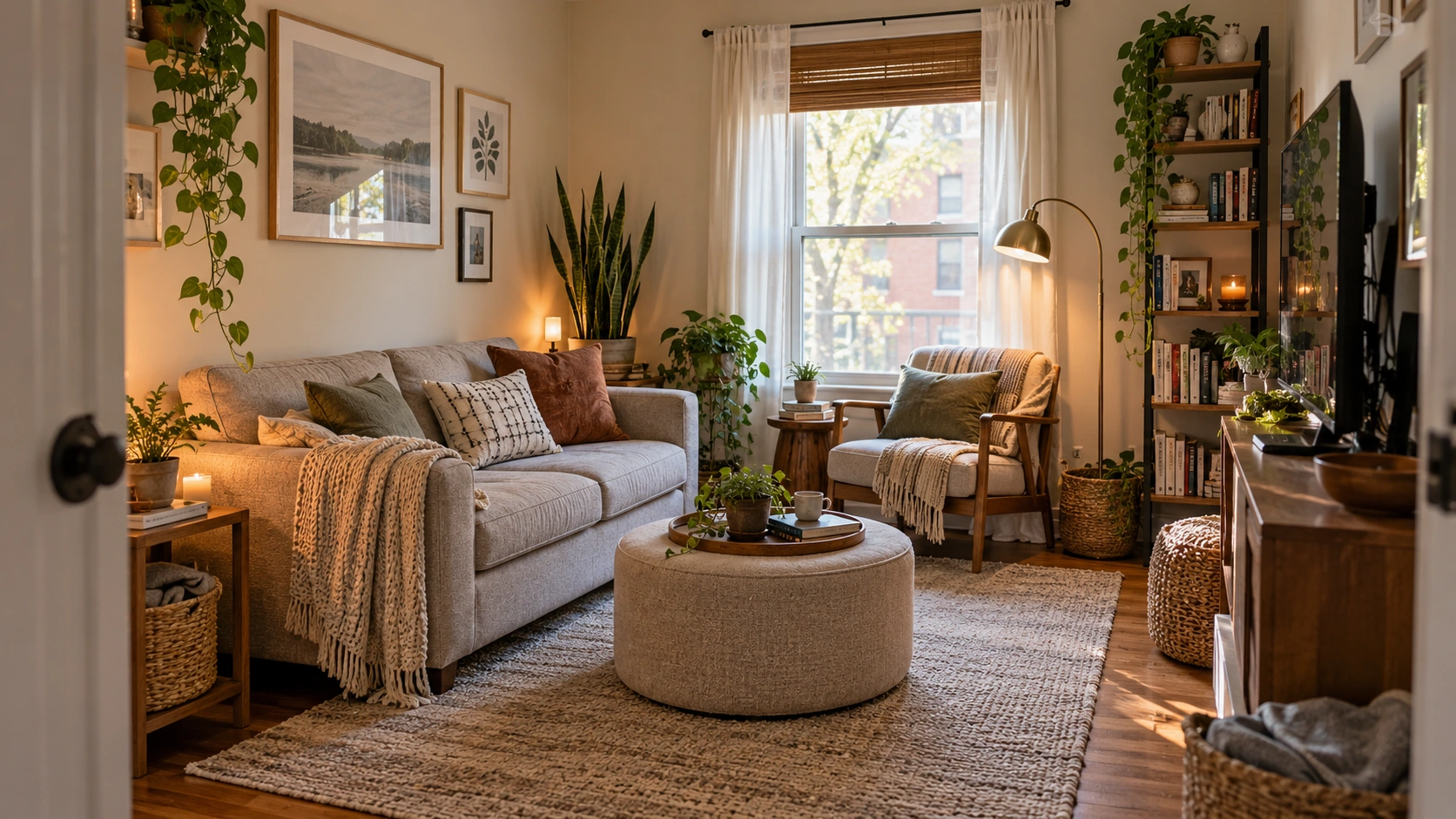
When I first moved into my 520-square-foot rental apartment, I thought the living room would be the easiest space to decorate. It had a window, a small empty wall, and enough room for the basics. Then I brought in my sofa, coffee table, and storage basket and realized I had created a room where walking from one side to the other felt like an obstacle course.
The biggest challenge was that I had to work with what I already had. The walls were a plain rental beige, drilling holes was not allowed, and repainting was completely out of the question. I wanted the room to feel comfortable and personal, but I also needed every piece of furniture to earn its place.
Over time, I stopped buying things just because they looked good in photos. I measured, rearranged, removed items, and tested different renter-friendly solutions. These are the changes that helped my tiny living room become easier to live in without making permanent changes.
Measuring the Space Before Buying Furniture

My first mistake was buying furniture before understanding the actual size of my living room. I ordered a coffee table online because it looked perfect in pictures, but after placing it in front of my sofa, I barely had enough space to walk around it.
I learned to measure everything before bringing something new home. I measured the distance between the sofa and the TV stand, the walking path near the doorway, and the empty space beside the window.
A measuring tape became one of the most useful decorating tools I owned.
I eventually replaced some oversized pieces with smaller furniture that matched the scale of the room. A compact IKEA loveseat worked much better than the larger sofa I originally considered because it gave me enough space for a small reading corner.
The biggest improvement came from leaving some areas empty. I used to think every corner needed furniture or decoration, but the open space made the room feel calmer.
Replacing Bulky Furniture With Flexible Pieces
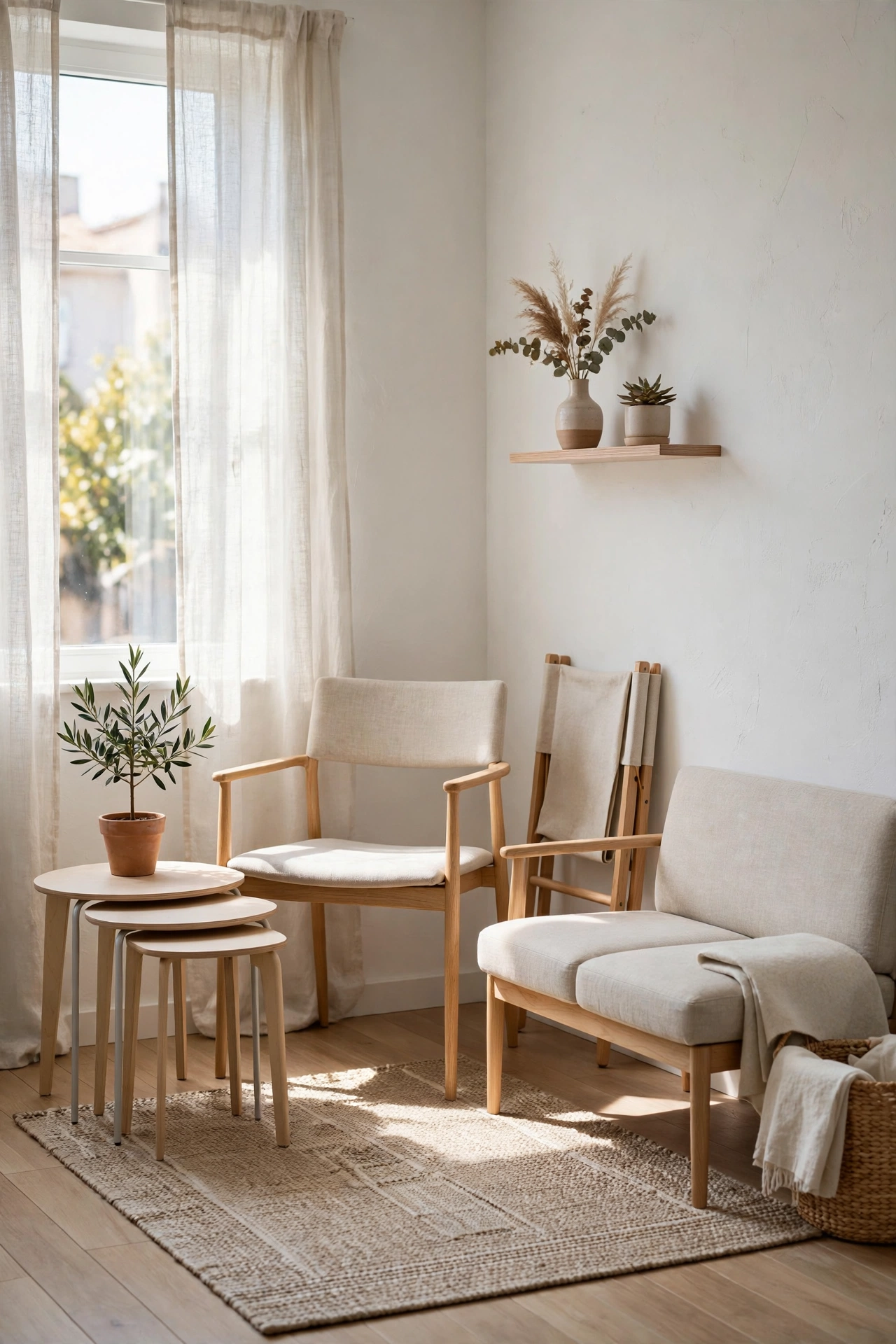
The coffee table was one of the first things I changed. I loved how it looked, but I rarely used it. It became a place where mail, random items, and shopping bags collected.
After moving it around several times, I replaced it with a smaller storage ottoman. I found an affordable option around the $60 range that worked as a footrest, extra seating, and hidden storage.
The difference was immediate. When friends visited, the ottoman became a seat. During normal days, it stored blankets and extra pillows.
I also tested nesting tables because I liked the idea of moving them whenever I needed more floor space. They worked better than a fixed table because I could separate them when guests came over and stack them together when I needed more room.
Small living rooms need furniture that can adjust to daily life.
Using Vertical Space Without Damaging Rental Walls
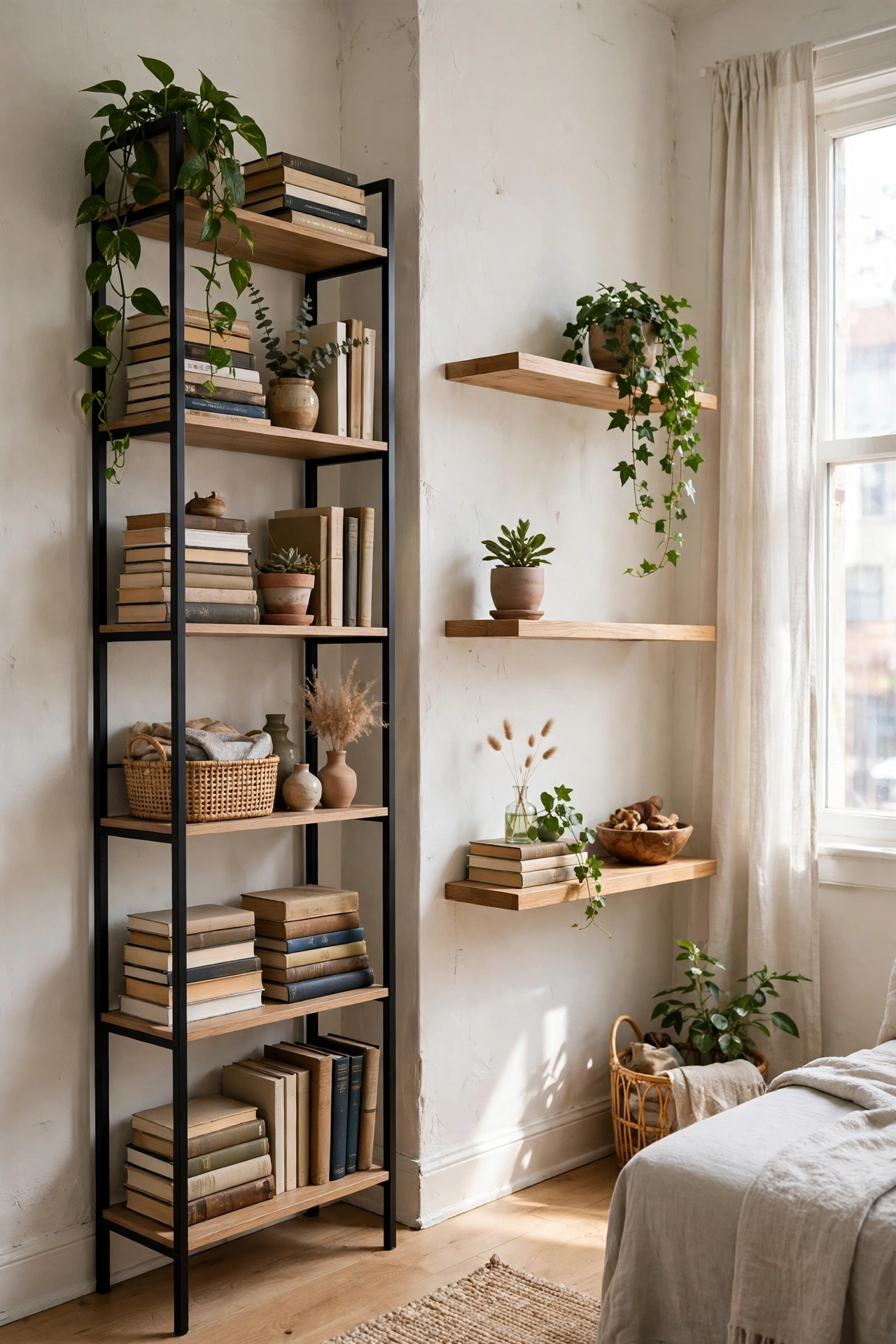
Storage became a challenge because my living room had very limited floor space. Adding another cabinet would have made the room feel crowded, so I started looking upward.
The narrow wall beside my sofa became my favorite storage area. I added a tall bookshelf instead of another low cabinet. The vertical shape made the ceiling feel higher and gave me space for books, plants, and baskets.
I also used Command hooks for lightweight decorations. They helped me hang small artwork without creating holes in the walls.
I always check the weight limit before using removable hooks because rental-friendly does not mean unlimited weight capacity. A small mistake can still damage a wall.
This approach helped me keep useful items nearby while protecting my security deposit.
Improving Lighting Instead of Adding More Decorations
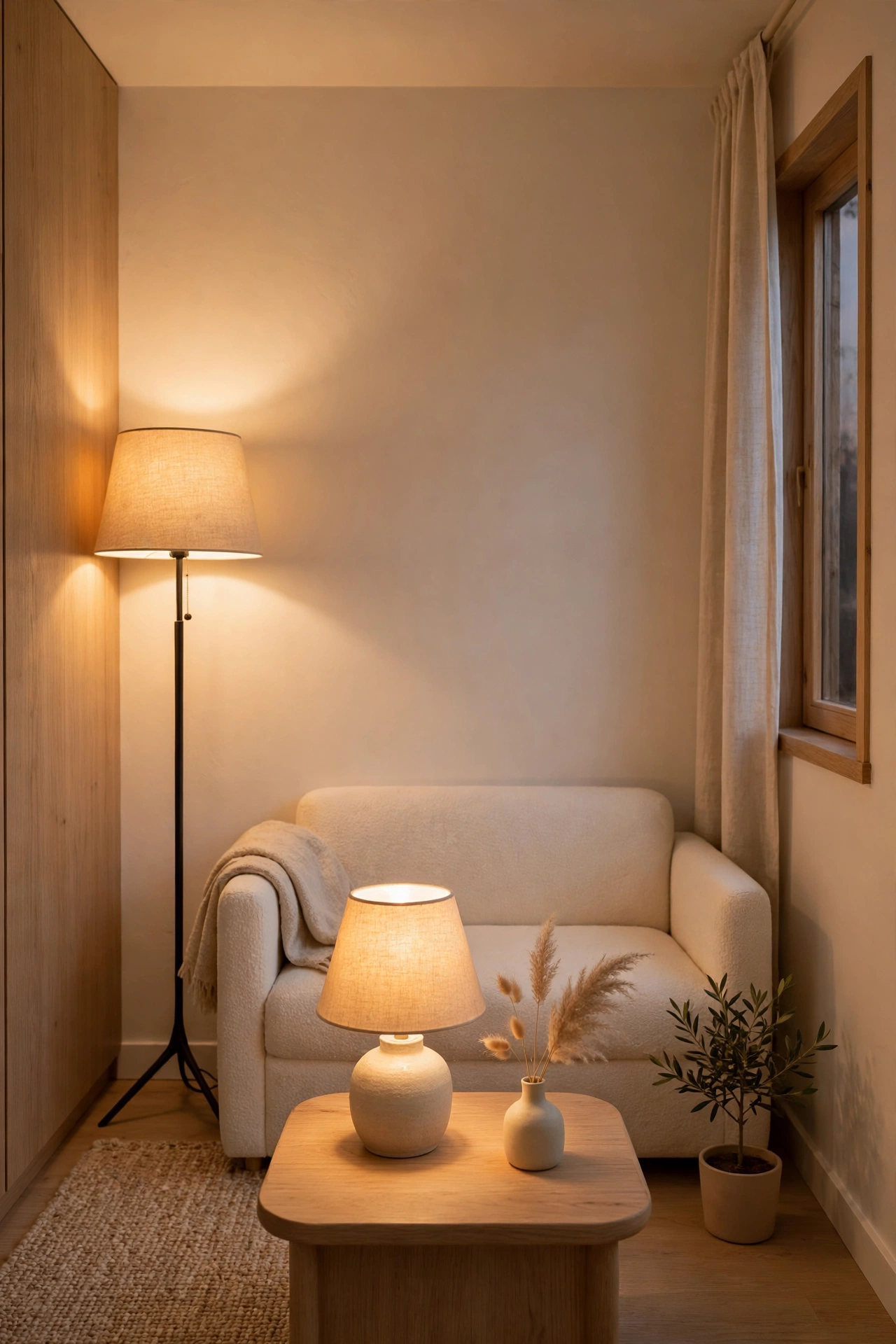
For months, I tried to make my living room feel better by adding decorative items. The real problem was lighting.
The only ceiling light created a harsh feeling at night, and the corners of the room looked darker than they actually were.
I bought a $34 rattan floor lamp from Target and moved it between three different corners before finding the right location. At first, I placed it beside the sofa, but the light felt too close. Later, I moved it near my reading chair, and that became the perfect spot.
Adding different layers of light helped more than adding extra decorations.
I now use:
- a floor lamp near the chair
- a small table lamp on the side table
- warm bulbs instead of bright white lighting
The room feels more comfortable in the evening, and I spend less time trying to fill empty areas with unnecessary decor.
Choosing the Right Rug Size for a Small Living Room

I made a common small-space mistake with my first rug. I bought a small one because it was cheaper and easier to fit.
After placing it under the coffee table, the sofa and chair looked like separate pieces instead of part of the same space.
I eventually switched to a larger rug that allowed the front legs of my sofa and chair to sit on it. The room immediately felt more connected.
For renters, washable rugs are especially practical. They are easier to maintain and useful if the apartment has high-traffic areas.
I found affordable options through places like IKEA, Amazon, and Walmart instead of spending hundreds of dollars.
A rug does not need to cover the entire floor. It simply needs to create a visual connection between furniture pieces.
Making Windows Look Taller With Rental-Friendly Curtains
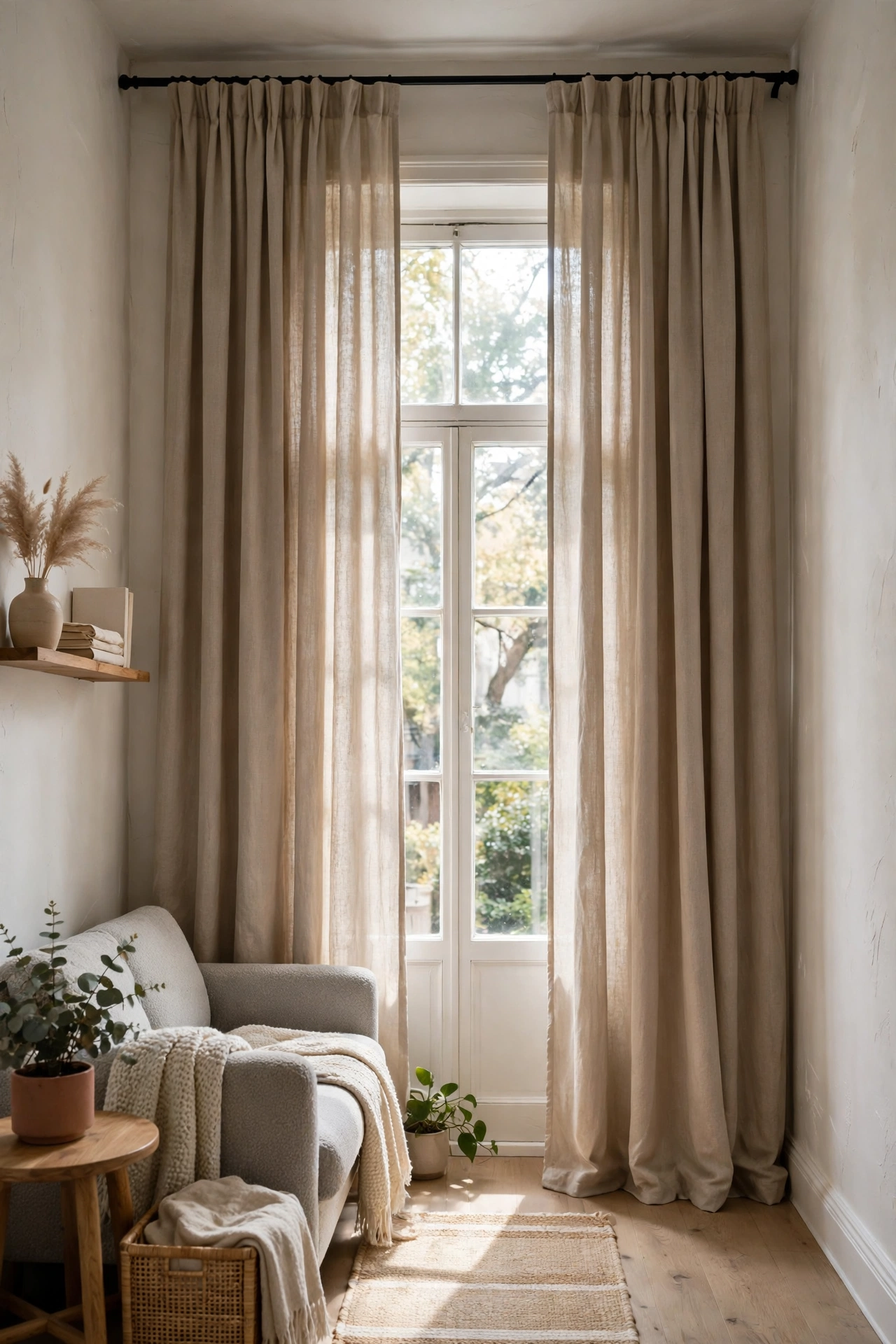
My apartment windows were smaller than I expected, and the short curtains I originally bought made the ceiling feel lower.
I replaced them with longer curtains that reached closer to the floor. I used a tension rod because I wanted a solution that would not require drilling.
The change was subtle, but it improved the overall balance of the room.
I chose lighter fabric because my living room does not receive direct sunlight all day. Heavy curtains made the room feel darker, while lighter materials kept it brighter.
This was one of those changes that cost very little but affected how the entire room looked.
Creating One Intentional Decor Corner Instead of Filling Every Surface
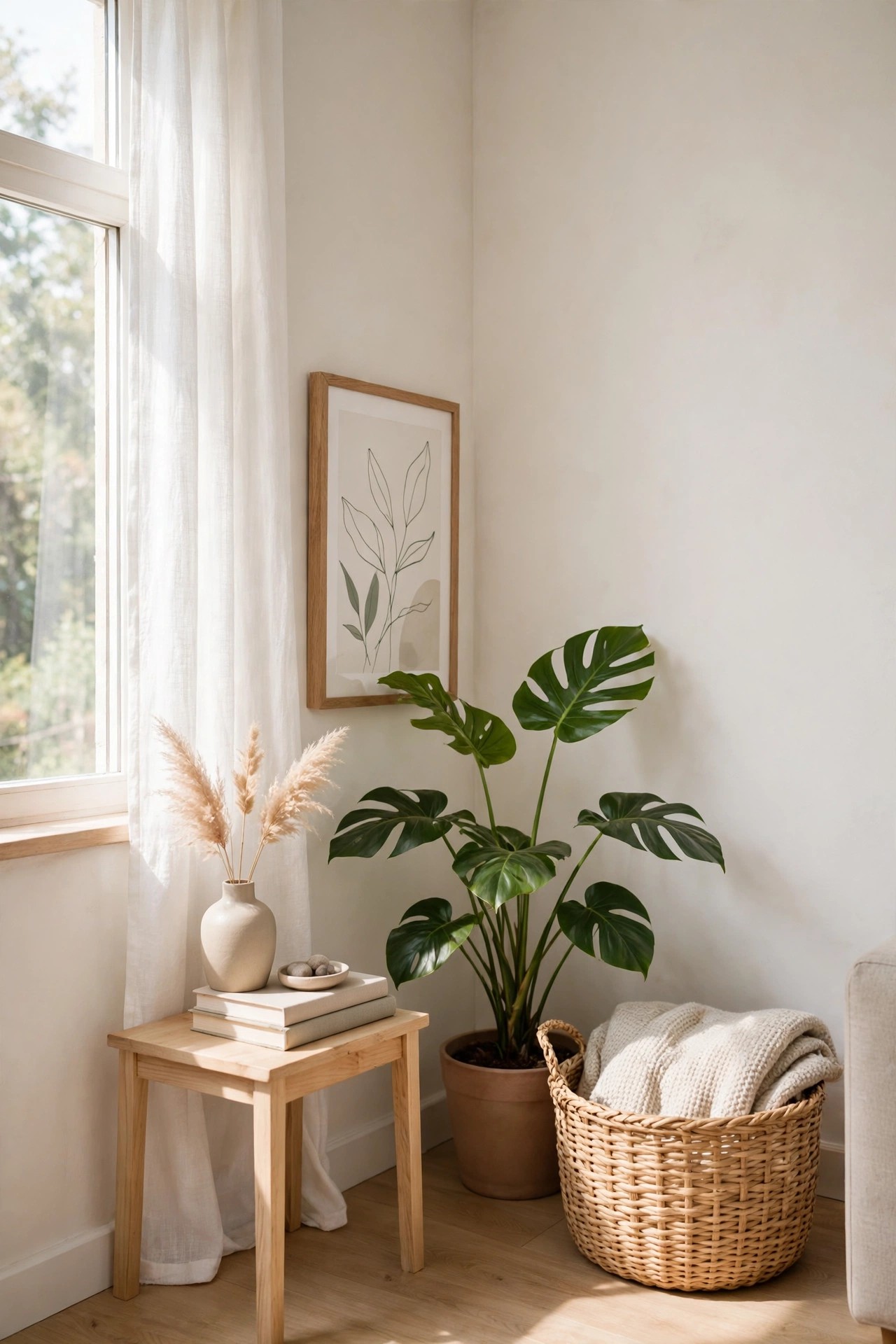
At one point, every shelf and table in my living room had something sitting on it. I had candles, picture frames, small baskets, and decorative objects everywhere.
The room looked busy instead of styled.
I removed most of those items and created one small area that felt intentional. The corner near my kitchen window became a plant and reading area with a small chair, one lamp, and two plants.
That corner now feels like a place I actually use.
I learned that a tiny living room does not need every surface decorated. A few meaningful items usually have more impact than many random pieces.
Selecting Multi-Functional Furniture for Small Spaces
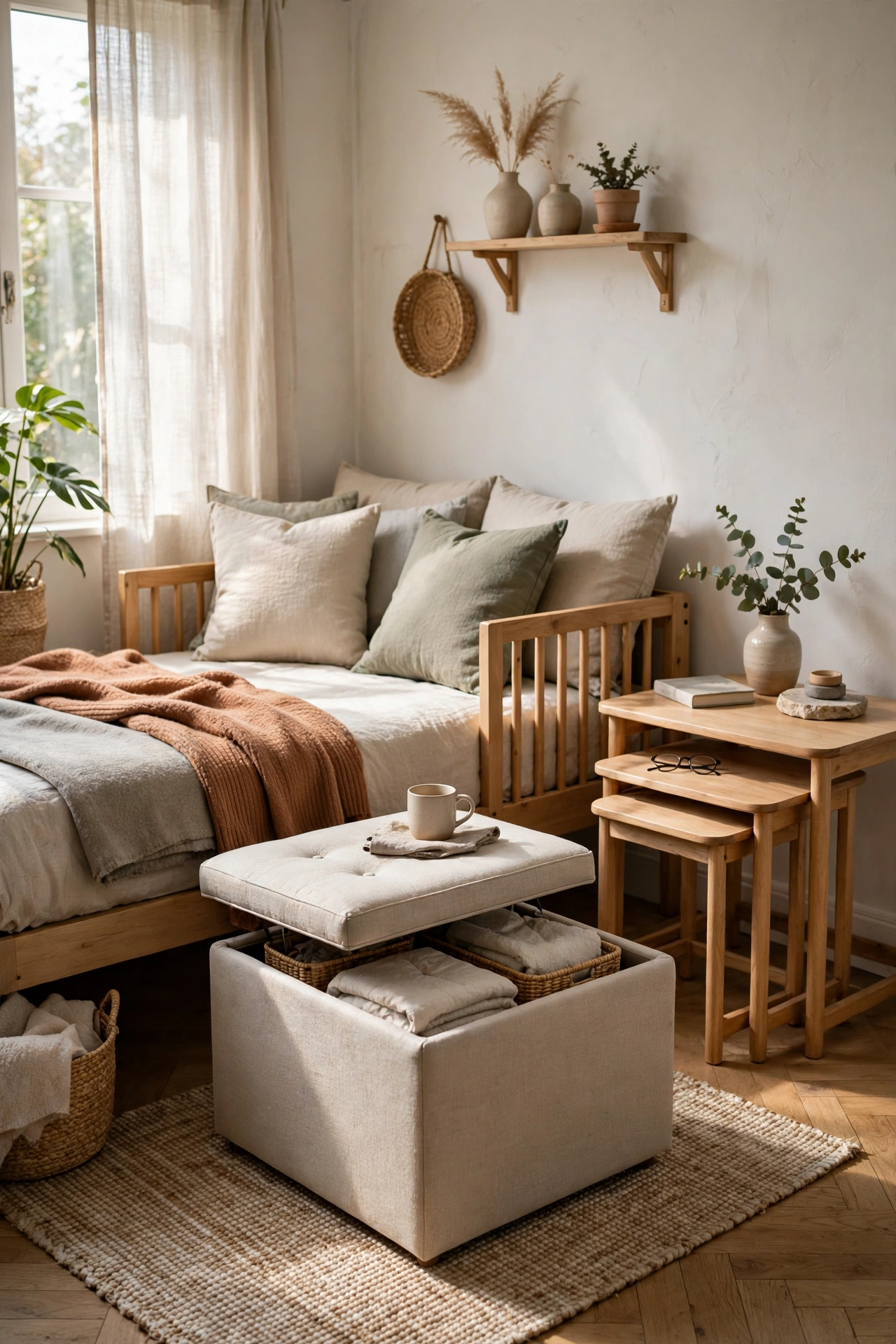
Every item in my living room now needs to solve a practical problem.
A storage ottoman replaced a separate footrest and storage box. A narrow console table behind the sofa became a place for books and small accessories. A folding desk gives me a workspace when needed and disappears when I want more open space.
Living in a small apartment changed how I think about furniture. A beautiful piece that creates daily frustration is not useful for my lifestyle.
Before buying anything, I ask myself where it will live, what problem it solves, and whether I will still like it after several months.
Adding Plants Without Overcrowding the Room
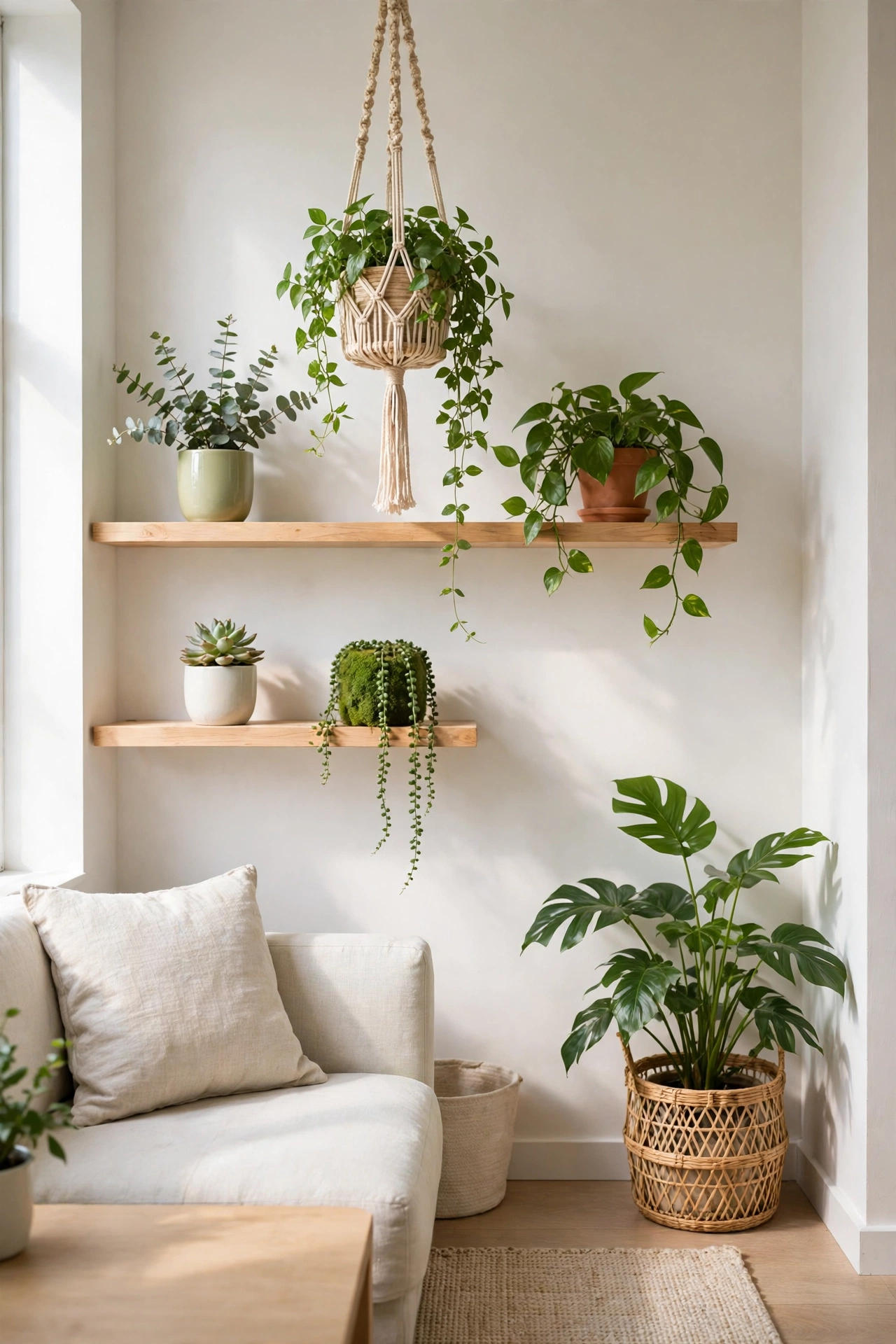
I love plants, but I learned that a small living room can quickly feel crowded when every empty corner becomes a plant area.
My first attempt involved buying several small plants at once. They looked cute at the store, but after bringing them home, they made my shelves feel cluttered.
Now I keep only a few plants that work well with my apartment lighting.
A snake plant near the sofa and a pothos plant near the window became my favorites. Most of the pots cost between $10 and $20, so they added personality without becoming an expensive project.
Plants work best when they fit naturally into the room instead of competing with furniture.
Adding Color Without Painting Rental Walls
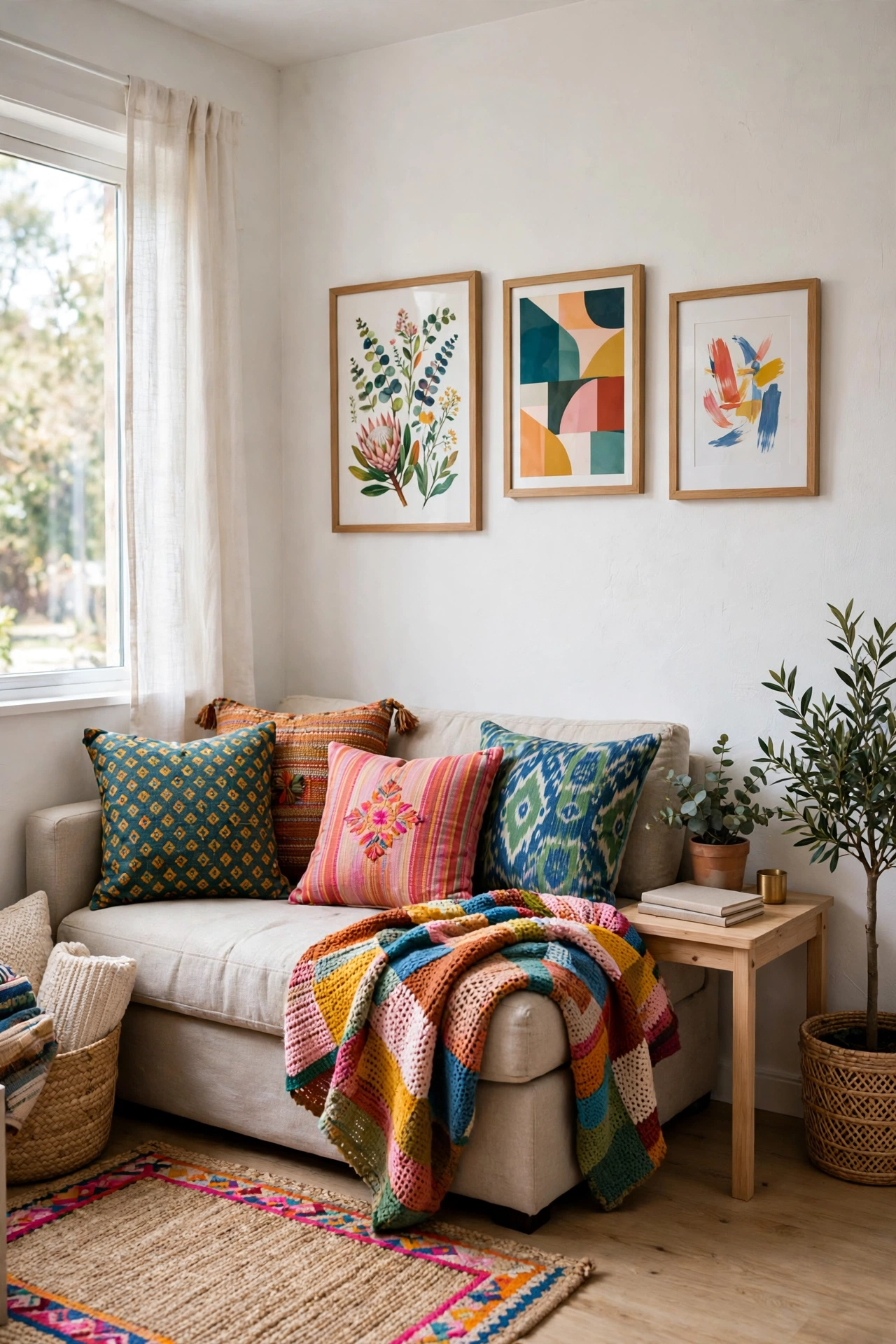
The beige walls in my apartment felt plain when I first moved in. Since painting was not an option, I added color through things I could easily change.
I used:
- throw pillows
- blankets
- artwork
- removable decor
My favorite change was adding a few textured pillows in warm neutral tones. During different seasons, I can replace smaller items without changing the entire room.
Removable wallpaper also became something I considered for small accent areas, but I avoided covering large sections because I wanted a simple solution that would be easy to remove later.
Removing Decor Pieces That Looked Good but Did Not Work
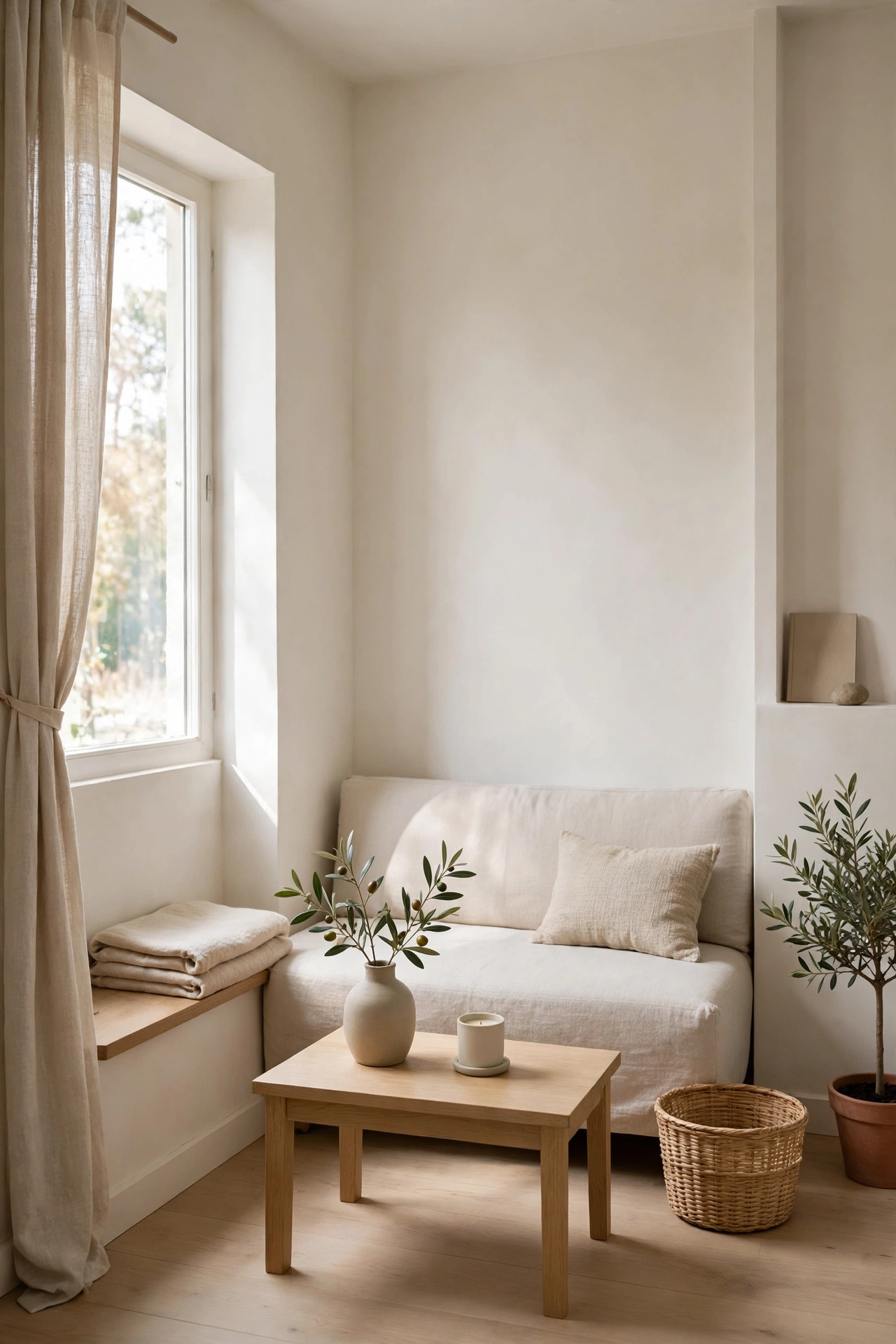
One of the biggest lessons from decorating my tiny living room was learning what to remove.
I had a decorative chair that looked beautiful but became a place where clothes and bags collected. I also bought a large basket that took up valuable floor space but rarely helped with organization.
Eventually, those items left the room.
Removing furniture felt strange at first because I thought I needed to fill the space. After a while, I realized the room worked better when I kept only things I actually used.
Small spaces reward careful choices.
The Final Tiny Living Room Setup After Testing Different Ideas
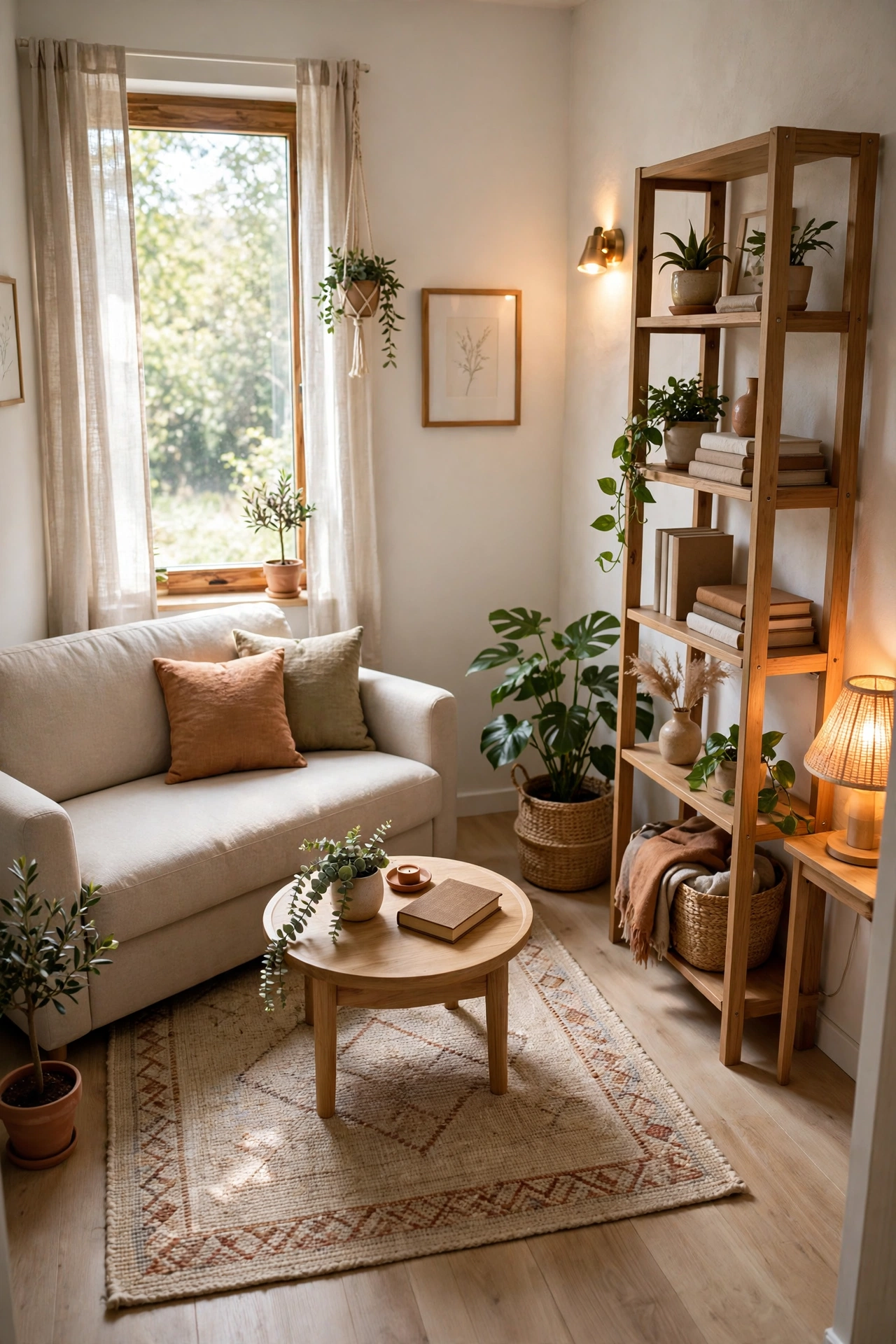
My living room looks very different from the first version I created.
The sofa now sits in a position that keeps the walking path open. The floor lamp creates a comfortable reading corner near the window. The bookshelf provides storage without taking over the room, and the larger rug connects everything together.
There are still limitations. The walls are still rental beige, the room is still small, and I cannot change the layout permanently.
However, daily life feels easier now. I have space to relax, enough storage for my needs, and fewer things that create clutter.
After living with this space longer, I stopped trying to make my tiny living room look like a showroom. I focused on making every corner work for the way I actually live, and that made the biggest difference.
